


Substack
4.812.34K Reviews
App Specs
- Version
- 3.10.1
- Updated On
- License
- Free
- Downloads
- 10,000,000+
- Developer
- Substack Inc.
- Categories
- News & Magazines
- Platform
- Android, iOS
Screenshots
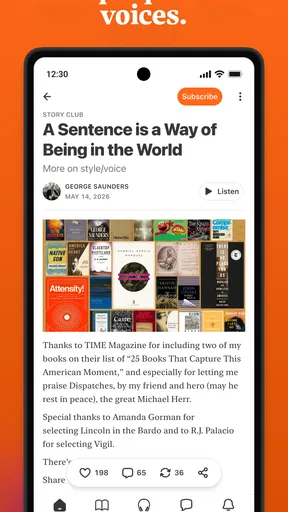
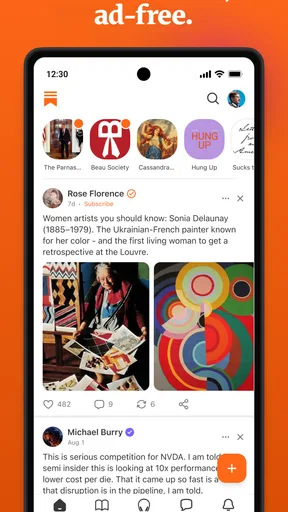
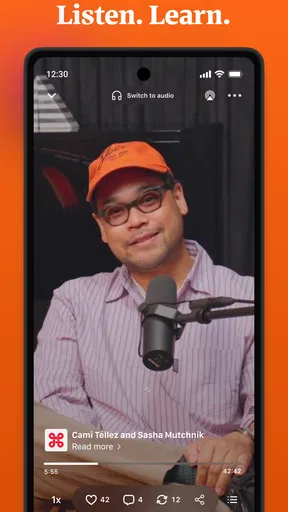
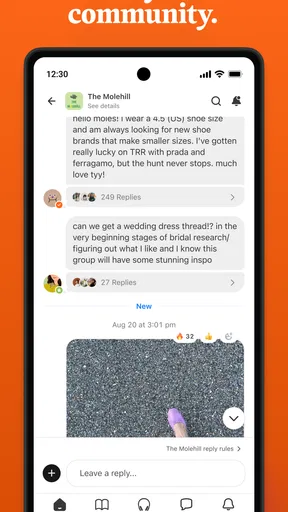
 Analysis by AppCompare
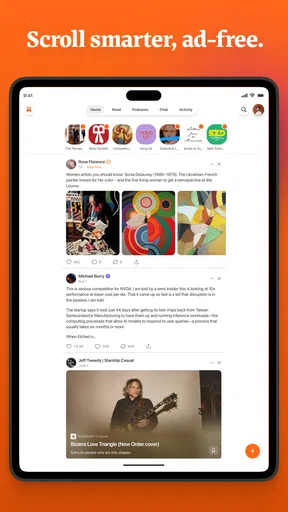
I often open a news app with a small, practical aim: find one worthwhile thing to read without losing half an hour to a fast-moving feed. Substack can serve that purpose, but it feels less like a conventional headline desk and more like a place to follow individual writers. That changes the experience from scanning whatever is trending to building a reading routine around people and subjects I actually want to hear from.
It is a free News & Magazines app from Substack Inc., with writing, podcasts, and video gathered alongside newsletters. Its average rating is 4.8 from around 192,000 ratings, and it has passed 5 million installs. Those numbers suggest it has found a sizeable audience, but they do not tell you whether its mix suits your habits. The useful question is whether you want a publication-style feed shaped by writers you choose, rather than a general-purpose stream of breaking news.
Choosing what deserves a place in your day
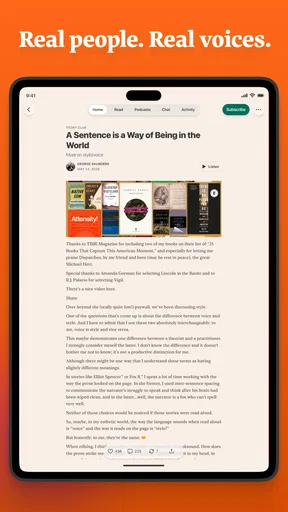
When I first approach a platform like this, the challenge is not a lack of material; it is deciding whose work is worth returning to. Substack is most compelling when I treat following as a deliberate choice. Instead of expecting a perfectly tailored news feed from the start, I look for writers whose perspective I already value, then let the range of their work give me a reason to come back.
That makes the app a good fit for readers who enjoy essays, independent commentary, specialist interests, or creator-led reporting. It can also suit someone who wants more than articles in one place, since audio and video can sit alongside written posts. If I want a quick, broad scan of major headlines, a traditional news app is usually the more direct tool. If I want to keep up with a particular writer’s ongoing ideas, Substack has a clearer purpose.
Getting Started with Substack
Setting up an account on Substack is as easy as pie. You just sign up, set your preferences, and you're ready to roll. The interface is sleek and straightforward, allowing even the most tech-averse among us to get up and running without a hitch. I found the design to be intuitive, which is a huge plus when you just want to start writing without any fuss.
Features That Make You Go Wow
Now, this is where things get interesting. Substack offers a bunch of features that cater to both writers and readers. As a writer, you can monetize your content through subscriptions, and let me tell you, it's pretty satisfying to watch your subscriber list grow. The platform also supports newsletters, which is fantastic if you want to engage with your audience on a deeper level.
For readers, Substack acts like a treasure trove of content. You can follow your favorite writers, discover new ones, and even get newsletters delivered straight to your inbox. It's like having a personalized magazine that updates whenever you want it to.
Worth Reading Before You Choose

Flipboard Shows What News Apps Must Do Beyond the Feed

Switching to Android Auto Means Rethinking Your Driving Routine

Google Calendar Makes a Crowded Week Easier to Manage

Ludo King Makes the Most of the Minutes Between Plans

Baby Panda World Brings Quick Play to Modern Phones, but Its Game Library Feels Busy

ESPN’s Live Game View Makes Following Close Games Easier
Turning a follow into a useful routine
Following writers is only the first step; the more useful habit is deciding when and how to read what arrives. I would start by following a small, focused set of voices rather than subscribing to every interesting page in one sitting. That gives the reading list a chance to become a manageable selection instead of another inbox that asks for attention all day.
A realistic routine might be to check new posts during a commute, save longer pieces for a quiet evening, and listen to audio when reading is inconvenient. The point is not to consume everything as soon as it appears. A writer’s newsletter may be valuable precisely because it arrives less often than a rapid-fire news feed, so I would judge it by whether I return to it, not by how full the feed looks.
There is a small but useful distinction between following someone for their writing and wanting every update in my daily flow. I would be selective about which newsletters I ask to receive by email, especially if I already use email for work. Keeping the app as the place to browse, while reserving inbox delivery for a few must-read voices, can reduce clutter without giving up discovery.
The Community Vibe
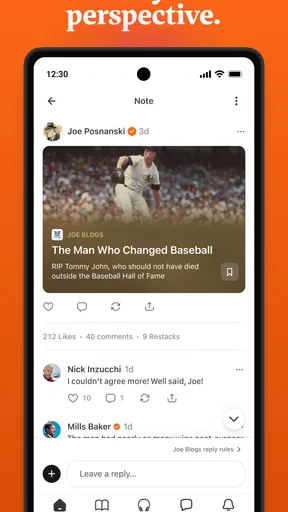
One of my favorite things about Substack is the community vibe. It’s like a cozy corner of the internet where people share genuine thoughts and ideas. Writers often engage with their audience through comments, and it's not uncommon to see lively discussions unfolding. This interactive element adds a layer of depth you don't often see on other platforms.
Moreover, the app encourages collaboration and networking among writers. You can easily connect with other creators, which can lead to exciting partnerships and projects. It's a supportive environment that fosters creativity, and that's something I truly appreciate.
What happens when the reading leaves the app
Substack’s experience does not end at the screen. Email delivery is a useful handoff for readers who prefer to open a newsletter in their usual mail app, while comments give a post another life as a conversation. Those routes suit different moods: I might read a piece in the app and leave a considered response later, or open a newsletter from my inbox when I am already sorting through messages.
For writers, the same handoff is part of the appeal: a post can reach readers as a newsletter rather than relying only on them remembering to check a feed. But it also means the reading experience can become split between the app and email. If I want every article, discussion, and notification collected in one tightly controlled place, that arrangement may feel less tidy than a dedicated reading-list app.
Compared with social networks, the emphasis here is more on a writer’s sustained body of work than on short updates competing for instant reactions. Compared with a conventional newspaper app, the mix can feel more personal and varied, but it may not provide the same straightforward overview of the day’s major stories. I would use it alongside a news source for broad coverage, not assume that following a few favorite voices replaces checking the wider news.
Features That Reward a Little Selectivity
One trade-off worth considering is that discovery can bring both delight and noise. Finding a writer who explains a niche subject well is a real strength; following too many people at once can make that strength harder to notice. I would use a simple test: after a couple of visits, ask whether a writer has given me something I would have sought out deliberately. If not, I would unfollow or stop checking rather than letting curiosity turn into a backlog.
There is also a difference between being a reader and being a creator here. Readers can enjoy the mix without needing to publish, while a writer has to think about consistency, audience expectations, and whether paid subscriptions make sense for their work. The option to monetize is appealing, but I would not treat it as an automatic outcome of posting. The more realistic reason to start is having something specific to say and a willingness to keep communicating with readers.
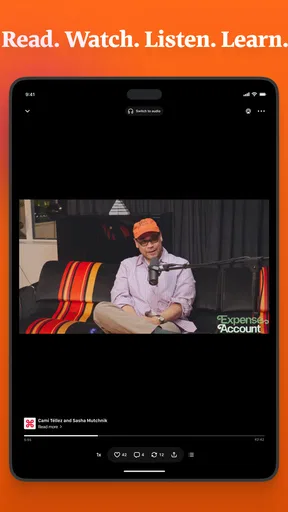
If you are choosing between this and a podcast-only app, the deciding factor is variety: Substack can bring written posts and video into the same creator-centered setting, while a dedicated audio app is better if listening controls and podcast organization are your main priority. If your goal is simply to save articles from across the web for later, a read-it-later tool may be more focused. Substack is strongest when you want to follow the source as well as consume individual pieces.
Room for Improvement?
Of course, no app is perfect. While Substack offers a lot, there are a few areas that could use a little polish. For instance, the analytics feature is somewhat basic. If you're a data nerd like me, you might find yourself wishing for more detailed insights into your audience's behavior.
Additionally, while the app is growing rapidly, it still has room to expand its community features. More tools for interaction and engagement could take the user experience to the next level. But hey, these are more like wish-list items than deal-breakers.
The friction is not only about tools. A creator-led reading experience depends on the choices I make, so it can become uneven if the people I follow publish infrequently or cover a narrow slice of a subject. I would not rely on one person’s newsletter for a complete account of a complicated issue; cross-checking with other reporting is sensible. Nor is this the obvious choice for readers who prefer a neutral, centrally edited package of headlines with consistent coverage throughout the day.
For someone starting as a writer, the practical question is what happens after publishing. The newsletter format gives a direct way to keep in touch with readers, and comments can make a post feel less like a broadcast. Still, basic analytics may leave a creator wanting a clearer picture of which topics resonate. I would focus first on making a useful publication and having real conversations, rather than expecting the app to provide a full business dashboard or guarantee audience growth.
Who will get the most out of it
I would recommend Substack to curious readers who like following particular writers, want a mix of formats, or enjoy taking part in discussions around a piece. It is also worth considering for independent writers who want a straightforward home for newsletter publishing and the option of paid subscriptions. The free price makes it easy to try, while the Teen content rating is a useful reminder that the material is not designed only for young children.
I would steer someone toward another option if their main need is fast, comprehensive breaking-news coverage, a tightly organized offline reading library, or advanced audience analysis. The app’s current version is 2.80.1 and it requires Android 7.0 or later, so Android users can check that requirement before installing; those using iOS should check compatibility in their relevant store. It was released on October 3, 2022, and its steady presence as a reading and publishing platform makes it feel more established than a short-lived experiment.
The Final Verdict
All in all, I'd say Substack is a gem for anyone looking to write or read quality content. It's user-friendly, offers great features, and has a community that feels like home. Whether you're a budding writer or a voracious reader, this app has something for you. So why not give it a whirl? You might just find your new favorite corner of the internet.
My recommendation comes with one condition: use it intentionally. Pick a few writers, decide whether email or in-app reading fits your routine, and give the selection time to prove its value before adding more. That small bit of curation is what turns a potentially crowded stream into a personal reading habit. If that sounds appealing, Substack is well worth trying; if you mainly want an editor-curated headline briefing, a conventional news app will serve you better.
Pros
- User-friendly interface for easy navigation.
- Diverse content from various creators.
- Flexible subscription options.
- Offline reading available.
- Supports direct creator interaction.
Cons
- Limited customization of notifications.
- Some content behind paywalls.
- No integrated search within newsletters.
- Occasional app performance lags.
- Subscription management can be confusing.
FAQs for Substack
What is Substack and how does it work?
Substack is a platform that allows writers to publish newsletters and build a subscription-based audience. Users can create content, send it directly to subscribers' inboxes, and monetize their work through paid subscriptions. It’s designed to provide a seamless experience for writers to focus on content creation without worrying about the technical aspects of distribution.
Is Substack free to use for writers and subscribers?
Substack offers a free tier for writers to publish and distribute content. However, if writers choose to offer paid subscriptions, Substack takes a 10% fee from the earnings. For subscribers, free and paid content options are available, and they can choose to subscribe to paid newsletters based on their preferences.
Do I need any technical skills to start using Substack?
No technical skills are required to use Substack. The platform provides an intuitive interface for writing and publishing newsletters. Everything is managed through a straightforward dashboard, allowing writers to focus on content creation without dealing with complex setups or coding.
Can I import my existing subscribers and content to Substack?
Yes, Substack allows you to import your existing email list and past content. This feature makes it easy for writers who are transitioning from other platforms. By importing subscribers, you can maintain your audience base and continue growing your newsletter without starting from scratch.
How does Substack support community building among writers and readers?
Substack facilitates community building by offering features like comment sections for newsletters and subscriber-only discussions. Writers can engage directly with their audience, fostering a sense of community and interaction. This helps create a more personalized experience and strengthens the connection between authors and their readers.


